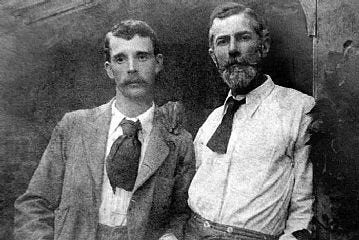
Cases of homosexuality were almost always defined by accused sodomy. As such, perhaps “Gay” Histories is inaccurate as a title. Unfortunately, we cannot ask these men what occurred during the events they were accused of, if anything. I choose to posit these as on the precipice of gay history, even if the men may have not defined themselves as such.
Richard Cornish
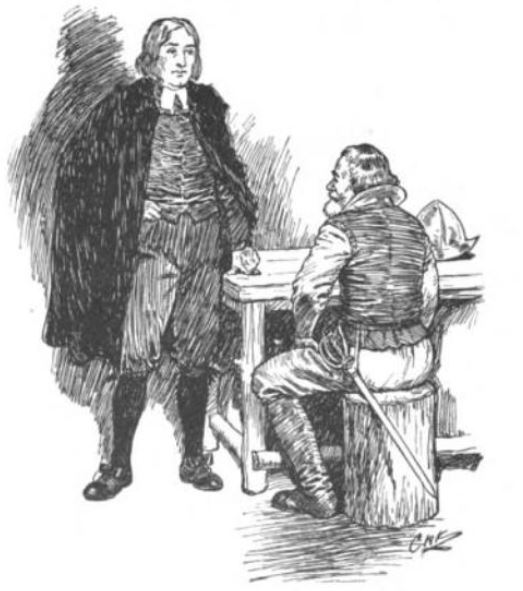
On a ship to Jamestown in 1624 a case was brought against Richard Cornish for the alleged sodomy of a boy in his living quarters. The accusation was made by William Couse and the following court case was likely held in a makeshift court in the newly colonized Paspahegh land. Cornish was hanged for the crime.
Later, when Cornish’s brother heard the news of Cornish’s hanging, he demanded that the man who sentenced him to death be held trial. They described the boy Cornish had allegedly slept with to be “rascally” and “scurvy,” which ultimately stripped him of his reputation (despite the fact the boy had not been the one to make the accusation). Multiple participants in the case who had supported Couse’s accusation subsequently had their ears cut off.
It is unknown today the nature of the sexual act between Cornish and this boy. The boy is never given an age. Consent as a concept that could allow or disallow someone to perform sexual acts did not exist as it does today. The class difference between the two–one being a wealthy mariner and the other a younger boy could and would be argued against Cornish. Whether what happened in this case would be considered sexual harassment, assault, consensual, or as not happening at all is impossible to know.
Frederick Gotthold Enslin
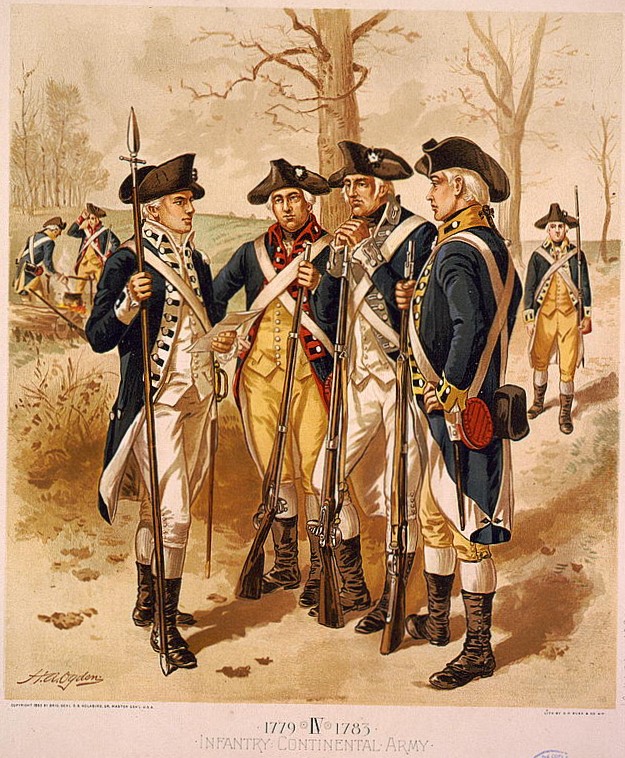
Anthony Maxwell, a soldier in Enslin’s command, was accused of slandering his commander after Maxwell alleged that Enslin had slept with another soldier, John Manhart. Maxwell was originally set to be court martialed for the accusation, with Enslin present to defend himself. Maxwell was able to convince the court of his accusation and remained part of the Continental Army.
Enslin was the only man to ever be court martialed for his alleged case of sodomy in the Continental Army, though the conviction was lessened to “attempted sodomy” in order to avoid the death penalty. Ultimately, he was charged with perjury, as well as attempted sodomy, and was promptly drummed out of the camp never to return.
The phrase “attempted sodomy,” which was briefly touched on in Pre and Mid-Colonial fears, may seem like a strange phrase, and it is. Sodomy–that is, penetration–is a very definite thing. How can someone be accused of wanting to commit sodomy when pinpointing the accused’s intentions are, of course, impossible? “Attempted sodomy” thus becomes a way to dampen the absoluteness of sodomy. Definite cases of “attempted sodomy” (if there can be definite cases) are just sodomy when accused of a man with higher status.
Friedrich Wilhelm von Steuben
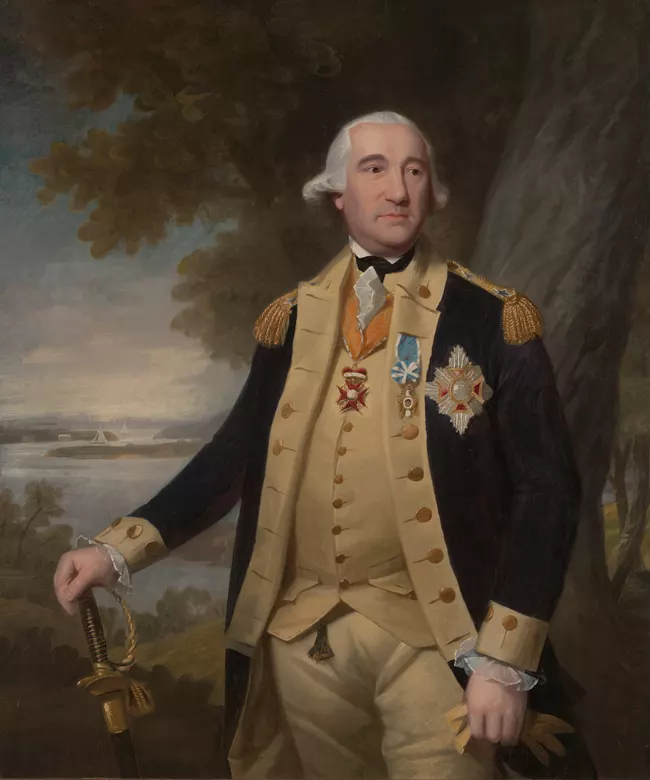
Steuben was a high-ranking military official in Prussia who was sought out as the newly declared United States of America was in need of well-trained command in its armies. By the time Steuben entered the American fight, his affinity for young men would have been well-established and known by the men who requested his aid, such as George Washington. Despite his homosexuality, he was deemed necessary for the war, and his homosexuality was accepted, more or less, as he engaged frequently with American soldiers.
While in America, Steuben was in a long-time relationship with two men, William North and Benjamin Walker, with North and Walker being engaged with each other as well. Though the relationship(s) was certainly sexual in nature, it is unclear how much was public, or “obvious.” Though Steuben would have been less worried about being caught and accused, it was still made aware that he was not in the highly classist, stratified Prussia that allowed members of the elite to behave how they pleased. Though it was unlikely to occur, the danger of being accused of sodomy permeated their relationship.
This relationship between the three men also speaks to the role of homosexuality not as an exclusive, traditional performance. The three were regularly involved, and had what would perhaps be considered “romantic friendships” with each other, but Walker and North still went on to marry women, as was expected of them. That is not to say that they were disappointed in marrying their wives; rather, the society did not allow for the thought of homosexual partnership, let alone marriage.