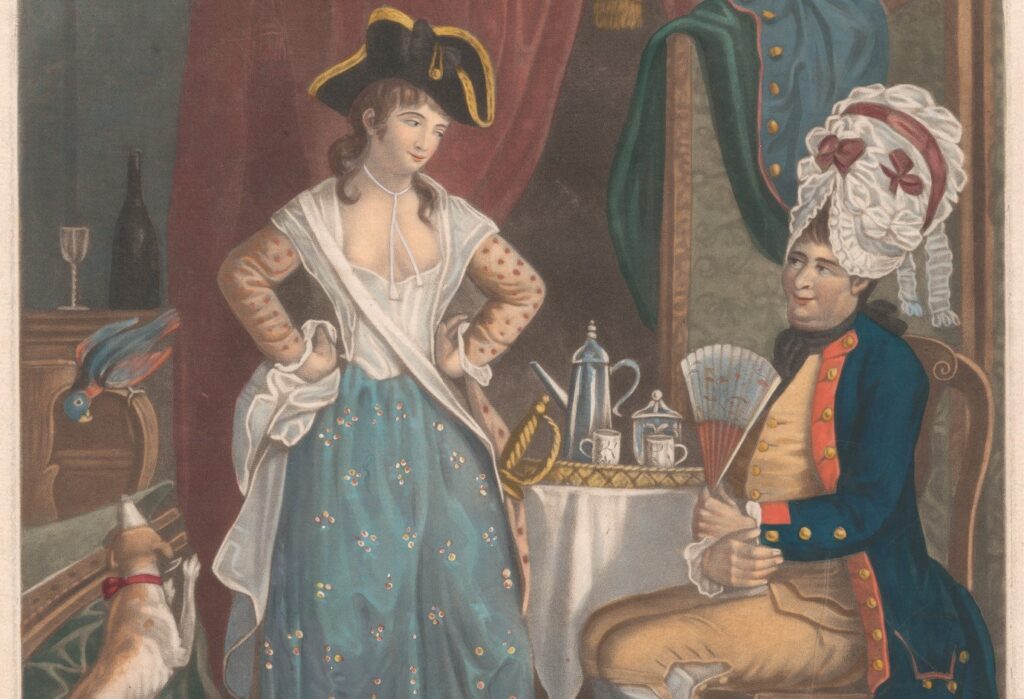
Debates over whether or not a historical figure is trans, non-binary, or crossdressing is common in discourse on queer histories. I resent the use of intersex bodies as “proof” of transness, and though few accounts of trans people (specifically lower class trans people and trans people of color) exist for this time period, I acknowledge their continual existences. I want to highlight intersexuality alongside transness, as well as its intersections with race and class, though not necessarily representative of the colonial era.
Thomas(ine) Hall
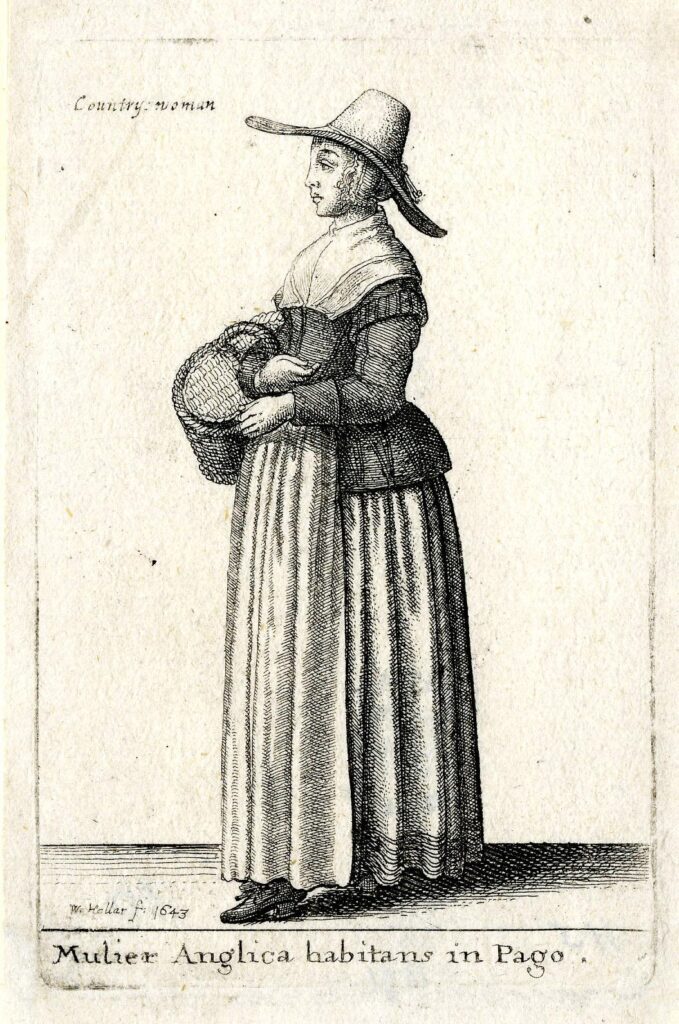
Thomas(ine) Hall was an indentured servant in 17th century Virginia. After be accused of crossdressing, as well as having sex with a maid, their sex assigned at birth was made an imperative question. They spoke of having been baptized a girl before donning men’s clothes to join the English army. After being discharged and landing in Virginia, however, they were said to have taken a female role. They regularly took on multiple gender roles, presenting as both a man and a woman on separate occasions. Hall defined themself as both male and female, and multiple intrusive examinations from officials yielded conflicting results. Hall was made to wear men’s clothing with the addition of a cap, kerchief, and apron (traditional pieces of women’s clothing) to signify their intersexual status.
Though the acceptance of intersexuality and gender non-conformity could perhaps be seen as progressive for a 17th century Virginia court, the role of this ruling was likely to humiliate Hall and prevent them from genderfluidity that the court perceived to be dangerous. As touched on in Pre and Mid-Colonial Fears, sexuality and sexual deviance, particularly the difference between sodomy and adultery could not be defined according to Hall’s body, which made them a moral liability. Additionally, punishments for criminals often left physical marks of otherness on the body, and Hall’s condemnation to wearing both men’s and women’s clothing is no different.
Hannah Nokes
In post-colonial, early 20th century Virginia history, the issue of genderfluidity and transness continues to permeate our courts and landscape. The “Red-Wigged Boy-Girl” was the headline to describe the older, Black trans woman witness to a murder case in Fairfax county. The George Crawford murder case was a spectacle for multiple reasons, particularly the threat of lynching and the progression of Virginia courts to, for the first time ever, employ Black jurors, instead of the “lily-white” juries that often made up Virginia criminal cases (and would have certainly resulted in Crawford’s death).
The use of “Red-Wigged” to describe a Black trans woman is not without racist acknowledgement, either. She was described as crazed, seductive, promiscuous, and with constant, almost cartoonish emphasis on her masculine features when all she had done was give her account of events at her Fairfax home where Crawford had spent the night. News articles began to connect Nokes’ trans identity to the culpability of Crawford, seeing his willingness to gender Nokes’ correctly, and Nokes’ willingness to house Crawford, as proof of deviance and immorality.
Crawford’s case and the headlines that spiraled due to Nokes’ participation speaks to the conflation of transness and Blackness with untrustworthiness, especially in Virginia history.