English Buggery Laws and Other Sexual Deviance
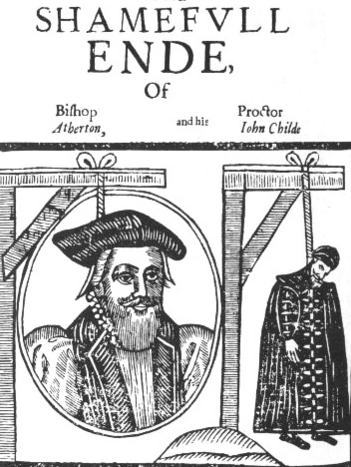
Early laws against homosexuality can be traced back to English “buggery” laws. In 1533, King Henry VIII made “buggery,” or better known as “sexual deviance” illegal. The definition of sexual deviance extended from things such as bestiality and rape to sodomy and oral sex. Anything perceived “unnatural” could be considered buggery, which places a finger on the pulse of the issues in a law so broad (and often, private and blurry). Thus, “being” homosexual was not a crime, but acting upon it, such as through penetrative sex, was.
Notably, laws against female homosexuality were not present in this time period. Lesbian sex could perhaps be defined as unnatural according to “buggery,” but not to the same degree as sodomy, which, if proven, was punished by hanging, and, if not, the man’s reputation was still stripped. Sodomy was often reduced to “attempted sodomy” in order to spare men of the death penalty.
Not every person had the luxury of being spared the death penalty. Committing sodomy was illegal, and being gay was ridiculed, but with status came sexual (among others) freedom.
Thomas Jefferson and Early America
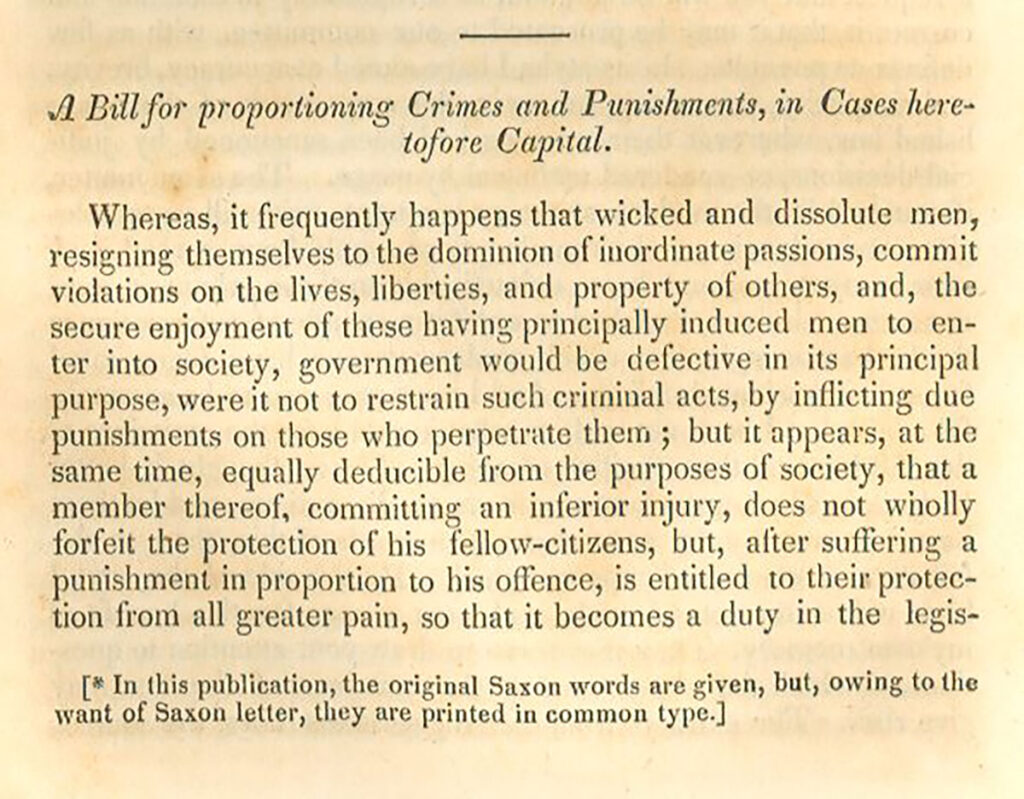
Seeing himself as a pioneer of American law and justice, Jefferson sought to remove the traditional punishment associated with sodomy, rape, and bestiality. Instead of hanging, he recommended the use of “proportionate maiming,” or the deliberate branding or removal of body parts to signal criminal status (which was a common punishment at the time, and indicated to the public who was to be ridiculed). Jefferson suggested castration for men and the boring through the cartilage of the nose for women.
It is notable that these punishments, specifically in Bill 64, were listed alongside punishments for disfigurement. Sodomy and other forms of “sexual deviance” were seen as comparable to cutting someone’s limbs off.